Reviewing 100 Days of School Embroidery Designs
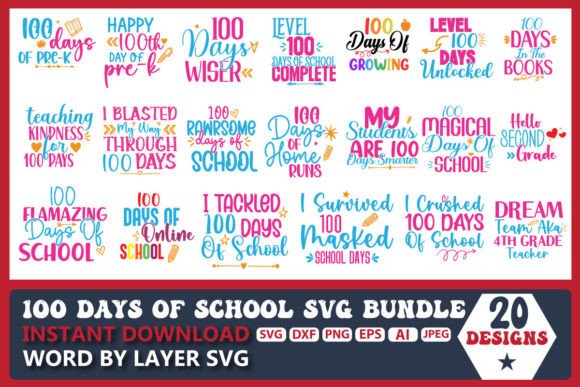
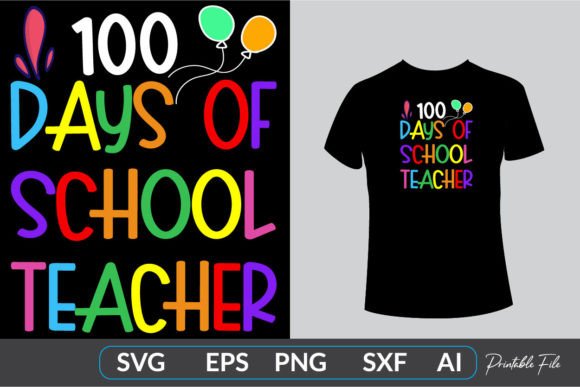
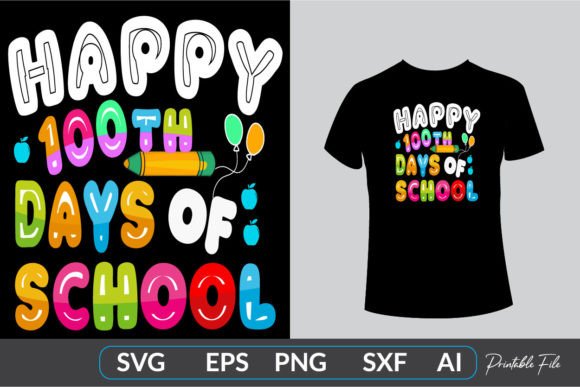
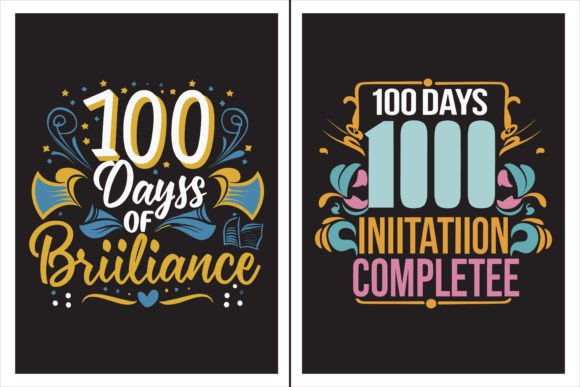
As a designer who spends more time staring at digitized stitch paths than I do sleeping, I have learned that not every cute graphic translates well to thread. When I first pulled up the 100 Days of School T-shirt Design Ideas file on my screen, my initial reaction was one of cautious optimism. The concept is timely, targeting a massive seasonal market for kindergarten teachers and parents, but the execution is what determines whether a design ends up as a bestseller or a pile of unpicked threads. This review breaks down how these graphics perform in real-world embroidery scenarios, moving beyond the digital preview to the tactile reality of the finished product.
First Impressions and Visual Personality
The mood of this collection is undeniably cheerful and academic. It captures that specific milestone excitement that comes with reaching the hundredth day of school. What stands out immediately is the clarity of the shapes. Since the creator notes that all elements are their own unique creation, there is a coherence to the style that avoids the cluttered look of generic clipart mashups. For an embroidery project, clean lines are essential. Complex, messy vectors often result in jagged satin stitches or excessive travel moves that weaken the fabric. Here, the visual personality feels balanced—playful enough for a five-year-old, but structured enough to look professional on a custom apparel item.
When evaluating T-Shirt Designs for embroidery, I always look for how the negative space interacts with the positive shapes. In this case, the layout allows for breathability. This is crucial because dense embroidery on a child’s shirt can feel stiff and uncomfortable. The design elements appear to have enough spacing to let the fabric texture show through, which adds a premium feel to the handmade product. It does not look like a solid plastic patch glued onto cotton; it looks like integrated textile art.
Real-World Application: Beyond the T-Shirt
While the title suggests t-shirts, my experience tells me that limiting these graphics to just one garment is a missed opportunity for any craft business. I recently tested a similar thematic design on a canvas tote bag for a local teacher’s gift order. The results were illuminating. The 100 Days of School T-shirt Design Ideas worked exceptionally well on the heavier weave of the tote. The stabilizer held firm, and the stitch density provided a nice contrast against the rougher fabric texture. This versatility is key for Etsy sellers and small shop owners who want to maximize the return on their design assets.
Consider sweatshirt embroidery. A fleece or French terry background requires different handling than a thin cotton jersey. The designs in this pack seem robust enough to handle the pile of a sweatshirt without getting lost. However, for baby embroidery projects, such as a onesie or a soft blanket, caution is advised. You must check the stitch density. If the fill stitch areas are too tight, the garment will pucker. I recommend running a test on scrap fabric of the exact weight you plan to use. For delicate baby items, you might need to scale the design down slightly or adjust your tension settings to ensure the finished product remains soft and flexible.
Another viable avenue is the embroidered patch. These graphics, with their distinct outlines and contained shapes, are ideal for creating iron-on or sew-on patches. This allows schools or boutiques to buy in bulk and apply them later, reducing production time per unit. It transforms a simple digital embroidery file into a scalable commercial embroidery asset.
Technical Considerations for Stitching Success
Let us talk about the technical realities. Any experienced machine embroiderer knows that what looks good on a monitor can fail on the hoop. When working with these Graphics, pay close attention to the small details. Tiny lettering or intricate corners can be problematic if the needle size is too large or if the thread quality is poor. I strongly advise using a high-quality rayon or polyester thread to maintain sheen and strength. For the 100 Days of School T-shirt Design Ideas, thread color contrast is vital. Ensure your background fabric color does not clash with the primary stitch colors. A dark navy shirt might swallow up dark blue details, so consider using a lighter thread or adding a subtle running stitch outline to define the edges.
Hoop size is another critical factor. Before purchasing or downloading, confirm the dimensions fit your machine’s maximum hoop capacity. If you are working on curved surfaces like caps, you will need to resize the design to fit the smaller available area. Cap embroidery is tricky due to the stiffness of the buckram and the curve of the crown. These designs may need to be simplified or reduced in size to prevent distortion. Always use the appropriate stabilizer. For stretchy fabrics like jersey t-shirts, a cut-away stabilizer is non-negotiable to prevent the design from warping after washing. For woven fabrics like aprons or pillow covers, a tear-away might suffice, but test it first.
Commercial Viability and Brand Consistency
For the creative entrepreneur, the value of a design lies not just in its aesthetics, but in its marketability. Does this design build trust? Yes, because it looks intentional. Sloppy digitizing screams amateur, while clean, well-planned stitches signal quality. Using unique, self-created elements helps with brand consistency. If you are building a boutique brand around school-themed goods, having exclusive access to designs that are not flooded across every discount site gives you a competitive edge. It enhances the perceived value of your personalized gift offerings.
However, you must verify the licensing terms. The description mentions the elements are unique creations, but you must confirm whether the license allows for commercial use on physical products. Most digital embroidery files allow for selling finished items, but restrictions may apply to sharing the file itself. Never assume. Read the terms carefully to protect your small business. Additionally, consider how the design looks in black and white mockups. This helps you understand the value structure independent of color, ensuring the design holds up even if a customer requests a monochrome version for a minimalist aesthetic.
Final Verdict for Makers and Designers
In conclusion, the 100 Days of School T-shirt Design Ideas collection offers a solid foundation for spring semester projects. It bridges the gap between cute and professional, making it suitable for both hobbyists making gifts for their own children and Etsy sellers stocking up for the seasonal rush. The key to success lies in preparation. Test on scrap fabric, choose your stabilizer wisely, and respect the limitations of your hoop size. Whether you are creating a holiday embroidery piece, a custom apparel item for a class photo, or a decorative accent for a nursery, these designs have the potential to shine. Just remember that the magic happens in the stitching, not just the download. Treat the file with the technical respect it deserves, and you will produce a finished product that delights customers and stands up to the wear and tear of school life.